Categories
Bags Clothing Shoe & Accessories Organic Beauty Living Organic Food Gifts Kids All categories All BrandsSTORE251
Login / Register Track Order Our makersLanguage
Ethiopian Accessories in Addis Ababa: Choosing Bags, Jewelry and Everyday Gifts
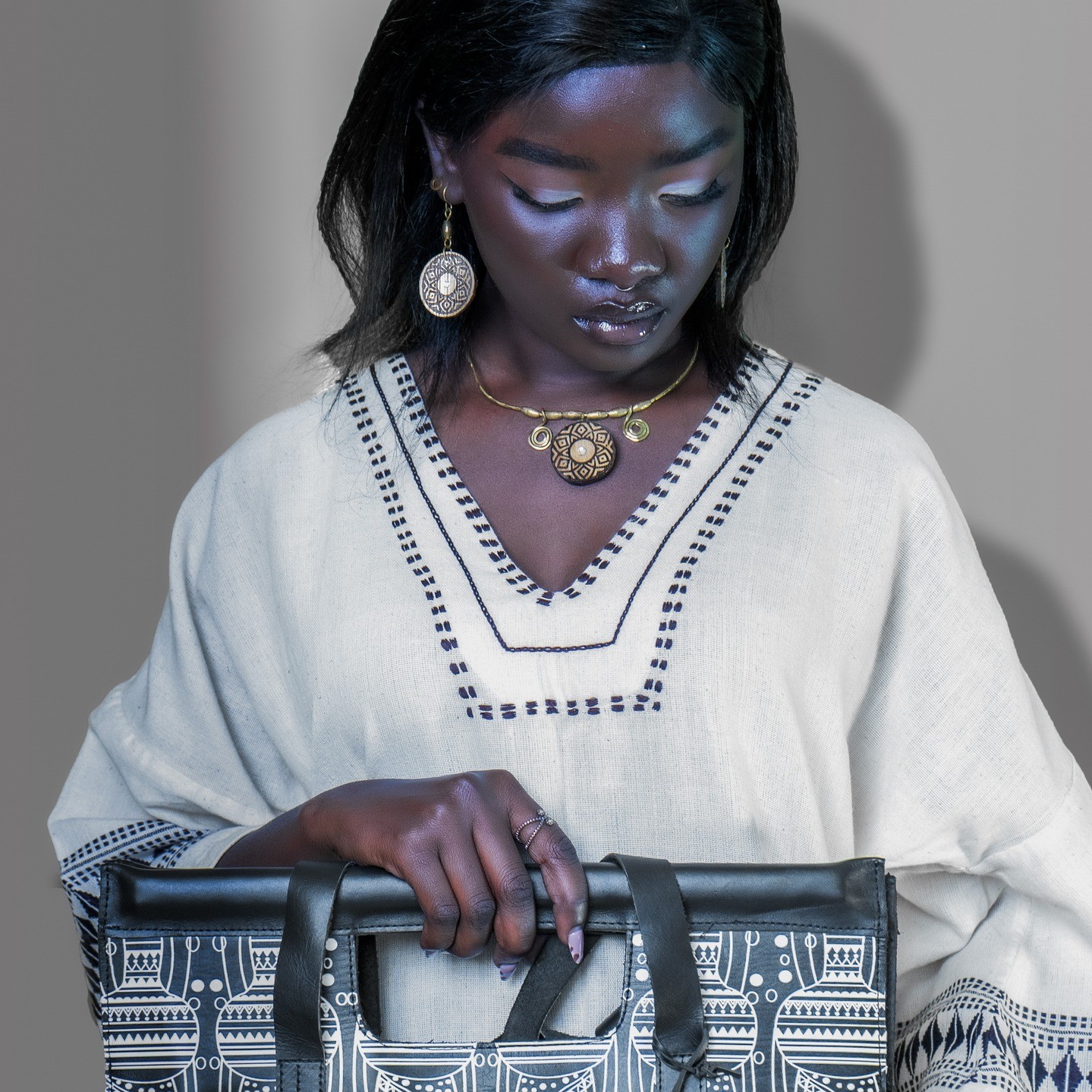
Ethiopian Accessories in Addis Ababa: Choosing Bags, Jewelry and Everyday Gifts
The accessories you use every day can say a great deal about your personal style. A practical bag makes a busy morning easier. A carefully chosen necklace brings an outfit together. A small gift can show someone that you remembered their interests, their routine or a moment that matters to them.
Shopping for Ethiopian accessories in Addis Ababa is an opportunity to look beyond appearance and choose pieces with a clear purpose. Whether you are buying for yourself, celebrating a friend or taking something home after a visit, the most satisfying purchase usually combines attractive design, useful features and a connection to the person who will use it.
If you are searching for the best online market in Ethiopia, start by thinking about what makes a shopping experience useful: clear product information, a selection you can compare and a straightforward way to ask questions before buying.
This guide explains how to choose bags, assess jewelry and find everyday gifts that feel thoughtful. It also shows how to browse with a plan, compare options and avoid purchasing something simply because it looks good in a photograph.
Start With the Person and the Purpose
Before you compare colors, materials or prices, decide who the accessory is for and how it will be used. This simple step helps narrow a large selection into a manageable shortlist.
A bag for someone who carries a laptop, notebook and charger needs different features from a bag intended for dinner or a weekend outing. Jewelry for a person who prefers subtle details will look different from a gift for someone who enjoys bold statement pieces.
Ask yourself a few practical questions:
Will this item be used daily or occasionally?
Does the person prefer simple or expressive designs?
What colors do they already wear?
Will the accessory need to fit particular belongings?
Is easy maintenance a priority?
Is the gift intended to be personal, professional or celebratory?
For example, a compact crossbody bag may suit someone who likes carrying only a phone, keys and a wallet. A roomy tote may be more useful for someone who regularly moves between meetings, shopping and other activities.
The goal is to choose an accessory that fits naturally into someone’s life. When the purpose is clear, style becomes easier to judge.
Choosing an Everyday Bag in Addis Ababa
A bag should do more than complete an outfit. It needs to carry your essentials comfortably, keep them reasonably organized and suit the places you go.
Start by listing what you normally carry. Include the items that are easy to forget when browsing: a charger, glasses case, water bottle, notebook or small umbrella. A bag that looks spacious in a product image may feel quite different once these belongings are inside.
Consider the opening as well as the overall size. A narrow opening can make it difficult to reach items, even when the bag itself has enough room. Internal pockets can help separate small belongings, while a secure closure may be useful for commuting and busy outings.
The best online market in Ethiopia for your shopping needs should help you compare these practical details before you choose a design. Look for measurements, interior photographs and descriptions that explain how the bag is intended to be used.
You can explore examples of different formats through Kabana Design’s collection on Store251, which lists options such as crossbody bags, totes, backpacks and wallets. Check individual listings for current availability and specifications.
Crossbody Bags for Carrying the Essentials
A crossbody bag can be a useful choice when you want your hands free and prefer to carry a smaller number of belongings.
Check whether the strap is adjustable and whether the stated dimensions suit your phone and wallet. If you use a larger phone or carry a protective case, compare its actual measurements with the bag’s usable space.
Think about access, too. A bag with several compartments may help you organize smaller items, but only if those compartments are large enough to be useful. A simple interior may work better if you prefer to see everything at once.
Choose a color that works with the clothes you wear most often. A versatile neutral can make daily styling easier, while a brighter color may be the detail that gives a simple outfit more personality.
Tote Bags for Flexible Daily Use
A tote can suit people who need room for changing daily essentials. It may be useful for a notebook, a light layer, a small shopping purchase or workday accessories.
However, size alone does not determine usefulness. Look at handle length, closure type and whether the base offers enough structure for your belongings.
If you intend to carry a laptop, confirm that the bag has suitable dimensions and protection. A spacious tote does not automatically include a padded laptop compartment.
Also consider how much you are likely to carry. A bag that feels light when empty may become uncomfortable when filled. Choose a format that encourages you to carry what you need without turning every outing into a heavy load.
Backpacks for More Organized Carrying
A backpack may be worth considering if you regularly carry several items and want two shoulder straps.
Look for information about strap adjustment, compartments and the intended load. If you carry electronics, confirm whether the design includes a dedicated sleeve and check its measurements.
Think about how you use your bag during the day. A pocket that is easy to reach while standing may be more useful than a complicated arrangement of sections you rarely open.
Before buying, picture a normal day: leaving home, traveling, arriving at work, reaching for your keys and returning in the evening. This makes it easier to notice whether the design supports your routine.
Look Closely at Materials and Construction
Photographs show a bag’s overall appearance, but descriptions and close-up images help explain how it is made.
Read the material information carefully. Leather, fabric, lining and decorative components may require different care. If the description is unclear, ask the seller rather than assuming the material from its appearance.
Look at stitching around handles, straps and other attachment points. Check whether closures appear neatly fitted and whether the lining is described or shown. These details help you decide what questions to ask before purchasing.
If a product is described as handmade, focus on the individual piece and the maker’s information. Handmade construction does not automatically tell you everything about durability, materials or care requirements.
When comparing the best online market in Ethiopia, prioritize information that supports a confident decision. Useful descriptions matter more than broad promises.
For a gift, maintenance is especially relevant. An accessory that needs careful storage or specialist cleaning may suit an enthusiast, while a simpler item may be more practical for someone with a busy routine.
Choosing Jewelry That Fits Personal Style
Jewelry is a personal purchase because people often have clear preferences about size, shape, color and how a piece feels when worn.
Before selecting a necklace, bracelet, ring or pair of earrings, observe the recipient’s existing choices. Do they usually wear small pieces? Do they prefer warm or cool metal tones? Do they enjoy layered accessories or one distinctive item?
You do not need to match everything they already own. However, understanding their habits reduces the chance of choosing something that stays in its packaging.
For your own purchase, think about the clothing you expect to wear with it. A necklace that looks striking against one neckline may create a different effect with another. Earrings that suit a special occasion may feel too large for your everyday preference.
Choose according to comfort and enjoyment rather than assuming that a more noticeable accessory is always a better one.
Ask About the Material
The appearance of jewelry does not reliably establish its composition. A gold-colored piece may have a different material underneath, and a silver-colored finish does not by itself confirm sterling silver.
Read the product description and ask for clarification where necessary. Useful questions include:
What is the base material?
Is the piece plated or coated?
Are any stones identified?
What are the dimensions?
Does the seller provide specific care instructions?
Is the fastening or earring post material described?
If you know you react to particular metals, use that information when assessing a purchase. Avoid relying on an unspecified description such as “premium metal.”
A thoughtful shopping experience gives you room to ask these questions. Searching for the best online market in Ethiopia should include checking how clearly product details are communicated, especially for accessories worn against the skin.
Check Size, Weight and Fastenings
Small differences can affect whether jewelry is enjoyable to wear.
For necklaces, check the length and whether an extender is included. For bracelets, compare the stated measurement with a comfortable bracelet you already own. For rings, confirm the sizing system and whether the design is adjustable.
Earrings deserve particular attention if you prefer lightweight pieces. Large earrings are not necessarily heavy, but photographs alone may not tell you enough. Ask about weight if that detail will determine whether you can wear them comfortably.
Fastenings also matter. A clasp that looks attractive may be difficult for a particular person to operate. When buying a gift, think about convenience alongside appearance.
Appreciate Design Without Assuming Its Meaning
Some shoppers want Ethiopian accessories because they enjoy a maker’s use of color, texture or form. Others want an item connected to a particular tradition or personal memory.
When a design includes a recognizable motif, ask about its meaning if that meaning matters to your purchase. Avoid assuming that every pattern has the same significance or that all Ethiopian accessories represent one shared style.
A maker’s own explanation is more useful than a story added by the buyer. If information about a design is available, you can include a short version in a gift note.
You can also appreciate an accessory simply because it is well suited to the person receiving it. A contemporary bag or a minimal piece of jewelry can be just as meaningful as a more decorative gift.
The strongest connection often comes from knowing why you chose the item: its color reminded you of the recipient, its shape suited their routine or its design matched something they had admired.
Finding Everyday Gifts That Feel Thoughtful
Everyday gifts do not need to be expensive to feel considered. A useful item chosen with attention can carry more personal meaning than a larger purchase selected in a hurry.
Start with a small observation. Perhaps a friend is always searching for keys at the bottom of a bag. A relative prefers compact accessories. A colleague enjoys adding one colorful detail to otherwise simple clothing.
These observations can guide you toward a wallet, pouch, small bag or piece of jewelry that has a clear place in the recipient’s life.
If you are browsing the best online market in Ethiopia for gift ideas, make a shortlist based on the recipient before comparing prices. This helps keep the choice personal and reduces the temptation to buy something only because it is discounted.
A good gift answers a quiet question: “Why did you choose this for me?” The answer should be easy to explain.
Gifts for Friends and Family
For close friends and family, you can often make a more personal choice because you know their preferences.
Think about colors they repeat, items they use frequently and accessories they have mentioned needing. If they usually carry a large bag, a small organizer may complement it. If they prefer understated jewelry, a simple piece may be more welcome than an elaborate set.
Be careful with highly specific choices such as ring sizes or unusual fastening styles unless you know what will work.
A short handwritten note can add context. Explain what reminded you of the person or why you thought the item would be useful. This makes even a modest gift feel intentional.
Gifts for Colleagues and Professional Contacts
Professional gifts are often easier to choose when they are practical, modest and broadly usable.
A simple pouch or small accessory may be suitable when you do not know someone’s personal style well. Highly personal jewelry may require more familiarity.
Consider the occasion and any workplace expectations. A thank-you gift for a helpful colleague may call for something different from a farewell present organized by a team.
Packaging should make the item easy to present and carry. If you need several gifts, ask about current stock and packaging options before committing to a particular design.
Gifts for Visitors and People Traveling
When choosing an accessory for someone who is traveling, think about luggage space and ease of care.
Compact items are often easier to pack, but check their structure and any delicate details. A small item can still require protective packaging.
If the gift includes material information or care guidance, keep that information with it. The recipient may need it later, especially if they cannot easily return to the seller with questions.
Avoid choosing only according to what looks memorable. A gift that the person will use after the trip can become a more lasting reminder of the experience.
Set a Budget and Compare the Whole Purchase
A clear budget makes accessory shopping easier. Decide how much you are comfortable spending before browsing, then leave room for any applicable delivery or packaging costs.
Compare items by their suitability rather than price alone. A lower-priced bag that does not fit your essentials may offer less value to you than a more suitable option. Equally, a higher price does not automatically mean that an accessory matches your needs.
Check what the listed price includes. Confirm whether a photographed set is sold together or whether the price applies to one piece.
For shoppers evaluating the best online market in Ethiopia, the total purchase experience matters: accurate descriptions, clear terms and answers to practical questions all contribute to value.
If you are buying several gifts, consider whether a consistent budget will help. You can choose different items with similar levels of thoughtfulness without making every gift identical.
Shop Online With a Simple Comparison Method
Online shopping becomes more manageable when you compare a small number of products using the same criteria.
Choose three or four options and record the details that matter most: size, material, color, intended use, care needs and total cost. Remove any option that fails an essential requirement.
For bags, that requirement might be enough room for a particular notebook. For jewelry, it may be a clearly identified material or a preferred necklace length. For gifts, it might be easy packing or suitability for a recipient’s daily routine.
Then review the seller’s delivery and return information before payment. Ask questions early if timing is important.
You can begin browsing through the Store251 website and use the contact page when you need clarification about an item or your shopping plans.
A few minutes spent checking details can prevent a purchase that looks right online but does not meet your expectations in use.
Combine Online Browsing With an In-Person Visit
Some accessory decisions are easier when you can see and handle the item.
Online browsing helps you identify styles and prepare questions. An in-person visit can help you assess a bag’s proportions, compare colors and understand how a piece feels.
Store251 describes itself as a curated marketplace for independent Ethiopian brands, with online shopping and two concept stores in Addis Ababa. Its website lists locations at Atlas, in Noah Centrum Apartment Building, and Cazanchis, in Jupiter International Hotel. Confirm the location and item availability before making a special trip.
If you have shortlisted a product online, keep its name or link available. This makes it easier to ask about the specific item.
For anyone searching for the best online market in Ethiopia, the ability to research carefully and ask informed questions is more useful than rushing through a large selection.
Care for Accessories After You Buy
A thoughtful purchase includes knowing how the item should be stored and maintained.
For bags, follow the maker’s instructions for the stated material. Do not assume that one cleaning product is appropriate for every surface, lining or decorative detail.
For jewelry, ask for guidance suited to the actual metal, finish and stones. Keep any product information that explains special care requirements.
For additional general reading, explore the Gemological Institute of America’s jewelry care and cleaning guidance, alongside the instructions supplied with your particular piece.
When giving an accessory as a present, pass on the care information. A recipient should not have to guess whether an item needs special handling.
Keeping accessories organized also makes them easier to use. Give everyday pieces an accessible place so they become part of your routine instead of disappearing into a crowded drawer.
A Final Checklist Before Choosing
Before completing your purchase, pause for one practical review:
Does the item suit the intended person and purpose?
Have you checked its actual dimensions?
Are the materials clearly described?
Will the color work with existing clothing or accessories?
Have you considered comfort and ease of use?
Do you understand the care requirements?
Have you checked the total cost and relevant policies?
If it is a gift, can you explain why you chose it?
You do not need a perfect score on every possible feature. You need confidence about the details that matter to your situation.
An everyday bag should support your routine. Jewelry should feel enjoyable to wear. A gift should reflect some attention to the person receiving it.
Discover Ethiopian Accessories With Store251
Choosing Ethiopian accessories in Addis Ababa starts with paying attention: to your routine, to another person’s preferences and to the details that make an item useful.
Take time to compare bag formats, ask questions about jewelry materials and select gifts with a clear purpose. You are more likely to enjoy a purchase when you understand how it will fit into everyday life.
As you explore the best online market in Ethiopia for your needs, use those practical standards to guide your decision. Look for accessories you will reach for, gifts you can give with confidence and designs that reflect your own taste.
Visit Store251 to explore independent Ethiopian brands, compare available products and find your next everyday accessory or thoughtful gift.
Recent Posts
Ethiopian Accessories in Addis Ababa: Choosing Bags, Jewelry and Everyday Gifts


The Story of our Beginning